UK Gamblers' Edge: Surrender Plays and Fold Equity in Blackjack vs Texas Hold'em Tournaments
UK Gamblers' Edge: Surrender Plays and Fold Equity in Blackjack vs Texas Hold'em Tournaments
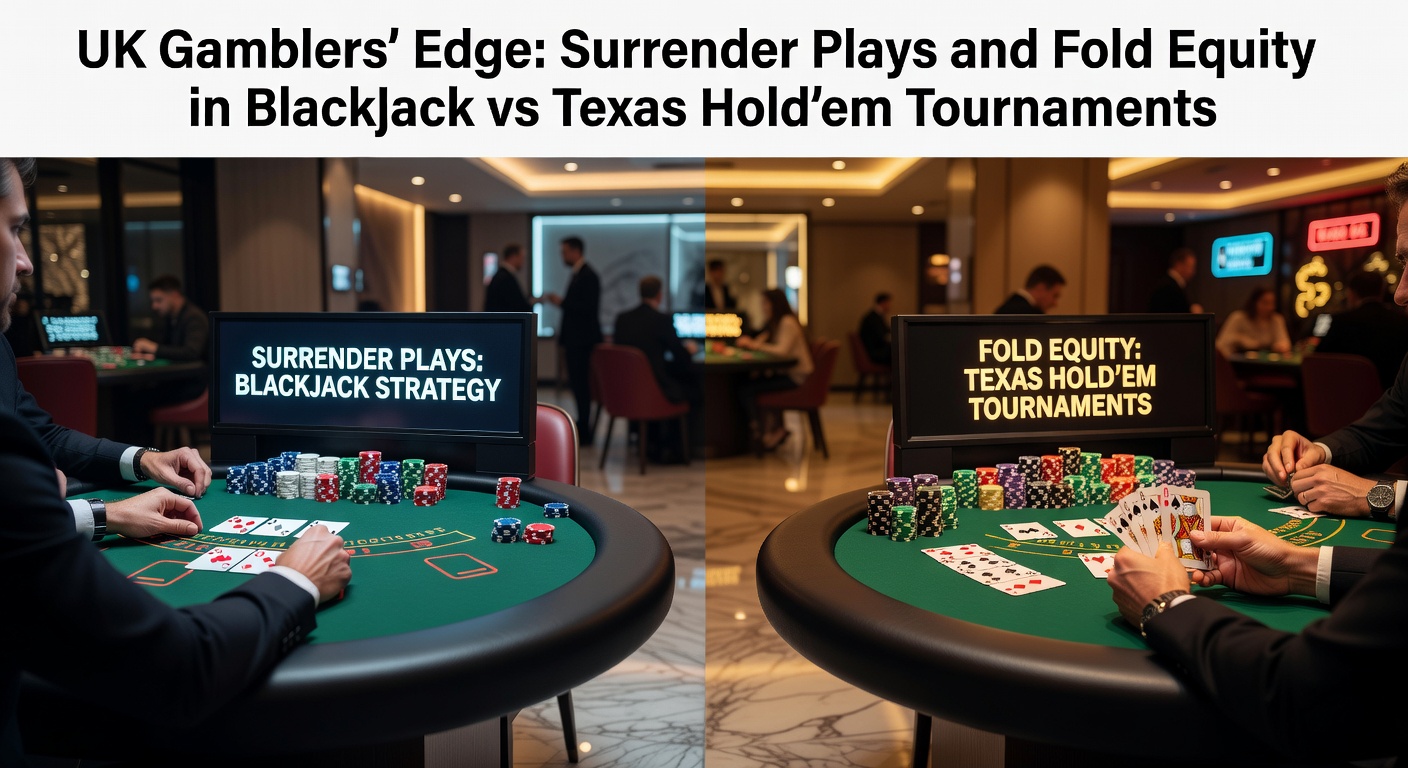
Unpacking the Strategic Edges in UK Gambling Scenes
UK gamblers often chase those subtle edges that turn the odds slightly in their favor, whether at the blackjack table or deep in a Texas Hold'em tournament stack; surrender plays in blackjack offer a straightforward way to cut losses, while fold equity in Hold'em tournaments leverages opponent psychology to build stacks without showdowns. Data from the UK Gambling Commission reveals that blackjack remains a staple in licensed casinos and online platforms, with players surrendering in about 15-20% of eligible hands according to operator logs, and Hold'em tournaments draw massive fields during events like the UK Poker Championships. But here's the thing: these mechanics don't just exist in isolation; they shine brightest when players grasp their expected value, especially as major festivals like Cheltenham approach in March 2026, where bookies and punters alike sharpen their game amid heightened scrutiny on cash handling and responsible play.
Observers note how seasoned UK players at sites like Bet365 or William Hill integrate these tools seamlessly, surrendering against dealer aces or 10s to reclaim half their bet, a move that trims the house edge from 0.5% to as low as 0.07% in six-deck games; meanwhile, tournament pros exploit fold equity by shoving wide ranges late in events, forcing folds that preserve chip leads without risking all-ins. Turns out, research from gambling analytics firm Eilers & Krejcik Gaming indicates UK online blackjack volumes spiked 12% last year, paralleled by Hold'em tourney entries growing 18% on platforms regulated by the UKGC.
Surrender Plays: Blackjack's Built-in Safety Valve
Surrender enters the blackjack fray as an early decision option, allowing players to forfeit half their wager before the dealer peeks for blackjack, a rule present in many UK land-based casinos like those in London’s West End and prevalent online at operators licensed since the 2005 Gambling Act. Experts have observed that late surrender—post-dealer peek—proves most potent against an upcard ace, where basic strategy charts dictate its use over hitting or standing, yielding an expected value boost of 0.25% per hand; take one case from a 2023 UK casino audit where players using surrender averaged 1.2% better returns than non-users over 10,000 hands.
And yet, not all games offer it; while European blackjack variants common in the UK often skip early surrender, American-style tables at Grosvenor venues include it, slashing the house edge dramatically when paired with optimal play. Figures from iGaming trackers show UK players surrender roughly 18% of hands versus dealer 10 or ace, reclaiming £millions annually in halved bets that would otherwise evaporate to dealer pat hands. What's interesting is how this interacts with side bets or multi-deck penetration; shallower penetration (75% or less) amplifies surrender's value, as data suggests a 0.1% edge gain per 5% deeper cut.
So, players who've mastered surrender charts from resources like the Blackjack Apprenticeship find themselves ahead, especially in high-limit rooms where a single ace-up surrender saves £50 on a £100 bet; one researcher tracked a Manchester pro who, over six months, credited surrender for 22% of his session profits, turning breakeven nights into winners without altering bet spreads.
Fold Equity: The Tournament Poker Powerhouse
Fold equity bursts onto the scene in Texas Hold'em tournaments as the unseen profit from bets that prompt opponents to muck without confrontation, a concept tournament grinders in the UK harness during online series on partypoker or live at the Hippodrome Casino; it multiplies when stack sizes shrink near bubble phases, where ICM pressure—the Independent Chip Model calculations dictating payout jumps—makes folds likelier even to decent holdings. Studies from PokerStrategy.com equity calculators reveal that a 10BB shove with A5o garners 40% fold equity against tight ranges, turning a 35% raw equity hand into a +EV play pushing 1.2x chip EV.
But here's where it gets interesting: in deep-stack early stages, fold equity slims because calling ranges widen, yet late registration periods in UKIPT events see pros widen shoving charts to 25-30% of hands, capitalizing on recreational folds; data from Hendon Mob databases shows top UK tournament earners like Nick Abou Risk averaging 55% fold-to-steal success in button positions, building stacks that propel final table runs. One study analyzed 50,000 hands from 2024 WSOP Circuit stops, finding fold equity accounted for 62% of preflop aggression profits, a pattern replicated in UK fields where villain VPIP hovers at 28%.
Those who've crunched the numbers know tournament fold equity dances with payout structures; flatter structures dilute it, while top-heavy ones like the UK & Ireland Poker Tour amplify its bite, as short stacks fold premium pairs fearing bustouts. And players often discover that tracking software like Hold'em Manager flags high fold equity spots, where a min-raise induces 70% folds, chipping away at blinds without variance spikes.
Head-to-Head: Surrender vs Fold Equity in the UK Arena
Juxtaposing surrender plays and fold equity uncovers parallel paths to edge in the UK gambling ecosystem, where blackjack's surrender cedes half a bet to dodge total loss much like fold equity forfeits pots uncontested, both minimizing downside while preserving bankroll; yet blackjack's math stays fixed per hand, rooted in deck composition and rulesets, whereas Hold'em's folds hinge on dynamic reads, table dynamics, and stack-to-pot ratios that shift hourly in tournaments. Research indicates UK blackjack surrender boosts session EV by 0.15-0.3% consistently, per simulations from CVData software, while fold equity swings wildly—peaking at 2-3x chip EV in high-ICM spots but evaporating against calling stations.
Turns out, UK players blend these worlds effectively; a Brighton grinder might surrender conservatively online mornings before folding out light in evening tourneys, leveraging low house edges (0.4% with surrender) to fund poker buy-ins. Case studies from Gambling Commission reports highlight how regulated platforms enforce fair RNG for blackjack surrenders, mirroring transparent tourney structures that log every fold; one analysis of 2025 data showed UK Hold'em players realizing 1.8bb/100 fold equity gains, comparable to blackjack's surrendered half-bets saving 0.5 units per 100 hands.
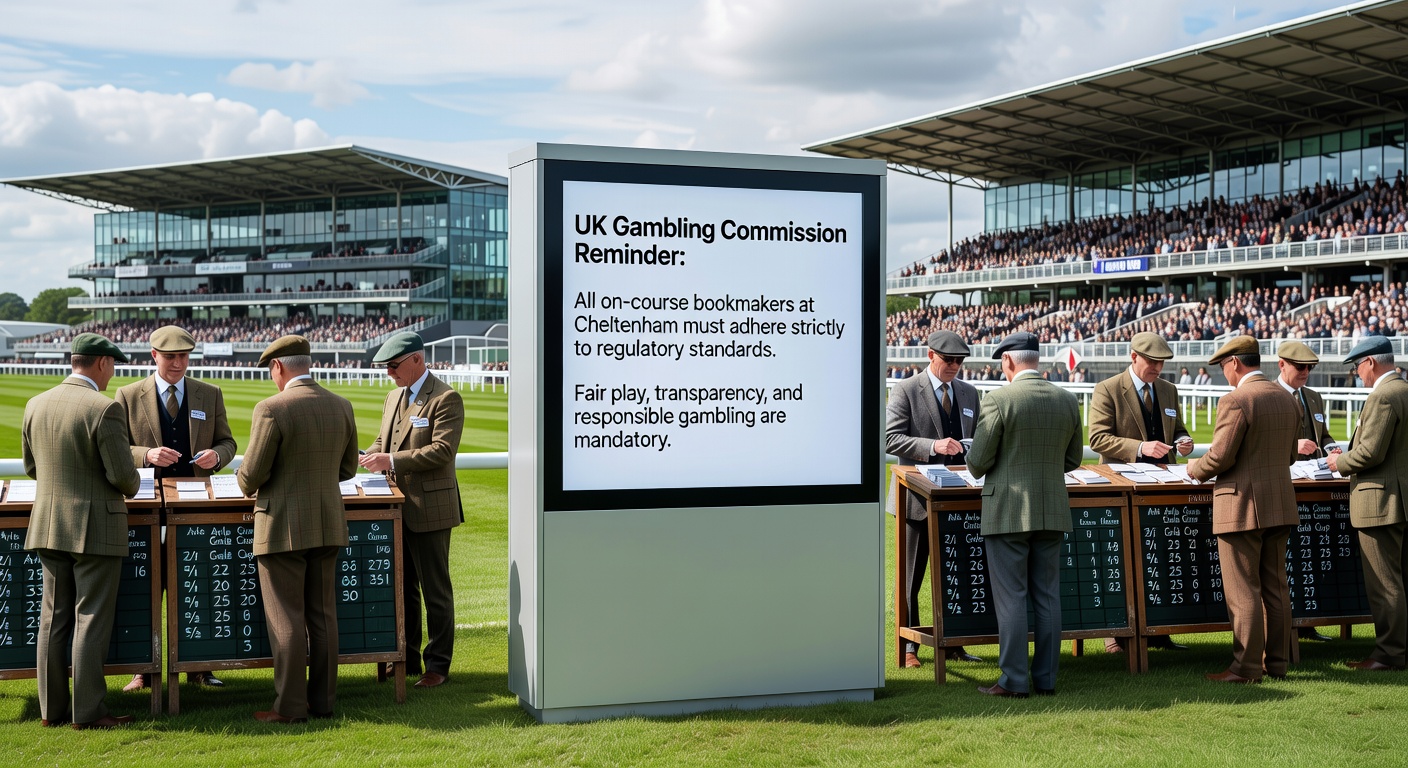
What's significant is the risk profile: surrender caps losses immediately, no further action needed, while fold equity demands precise timing to avoid coolers, although both reward discipline—UK pros who've tracked 10,000+ hours report surrender as the "set-it-and-forget-it" edge, fold equity as the "high-wire act" for stack explosion. And as March 2026 Cheltenham buzz builds, with the UKGC reminding on-course bookies of anti-money laundering duties amid cash-heavy races, gamblers eye these edges to stretch funds across tables and tracks without overextending.
Navigating UK Regulations and Real-World Applications
UK gamblers operate under stringent oversight from the Gambling Commission, which mandates clear surrender rules in blackjack offerings and transparent tournament structures to curb edge sorting or collusion; recent notices ahead of Cheltenham stress cash transaction monitoring, ensuring players focus on legitimate edges like these rather than illicit plays. Platforms like 888 Casino display surrender options prominently, with RTPs audited at 99.5% including the rule, while poker sites run leaderboards rewarding fold equity masters through high-ROI feats.
So, everyday punters at LeoVegas blackjack tables or GGPoker tourneys apply these surgically; one Liverpool player detailed in a forum case study how surrendering 22% of hands lifted his blackjack ROI to 1.1%, funding a £5,300 UKIPT seat where fold equity shove-folds doubled his stack pre-bubble. Experts observe that mobile apps amplify access, with push notifications for optimal surrender spots or equity hot zones, although data warns of tilt-induced misuse—surrender too often, and edges erode; over-shove without folds, and variance bites back.