Melding Blackjack Switch Rules with Open-Face Chinese Poker Set Mining on Licensed Digital Stages
Melding Blackjack Switch Rules with Open-Face Chinese Poker Set Mining on Licensed Digital Stages
The Rise of Hybrid Strategy Plays in Online Table Games
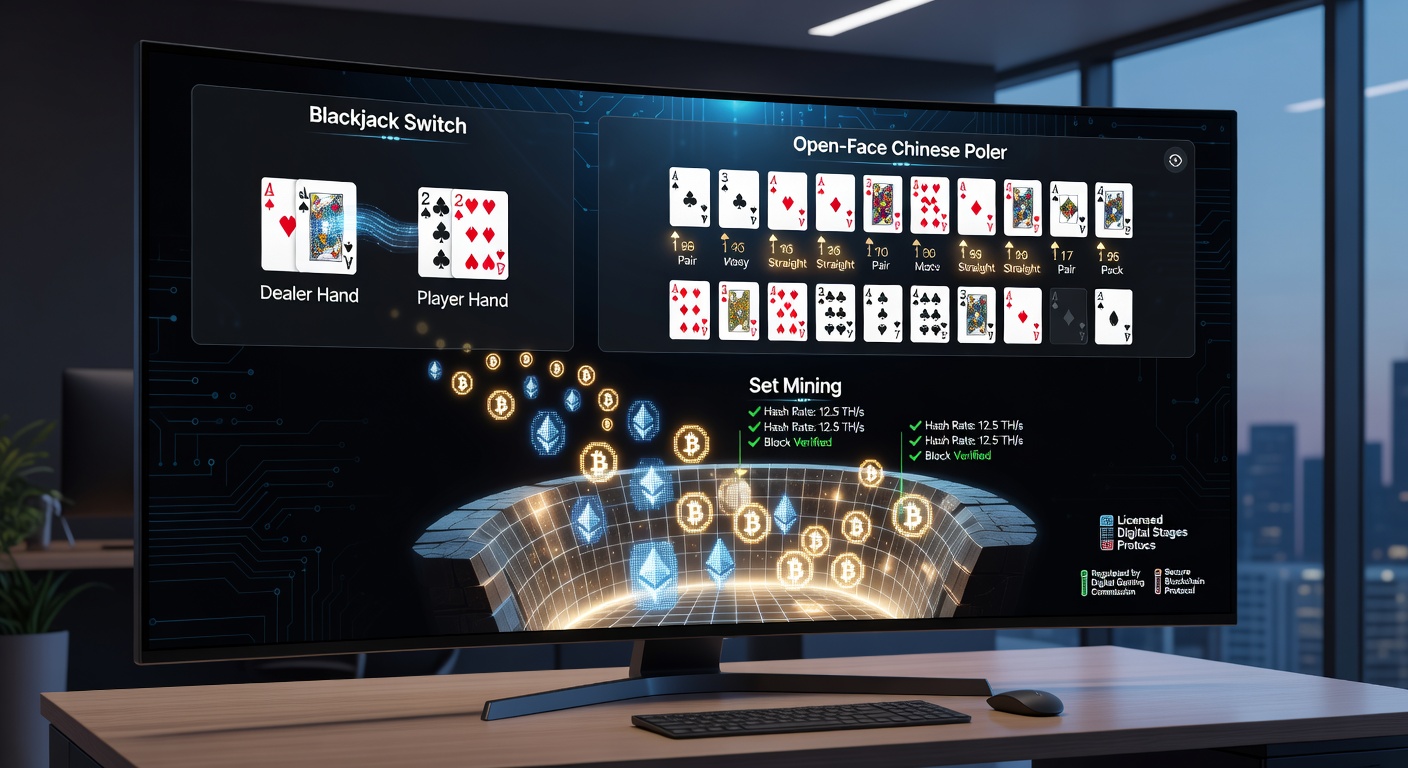
Players on licensed digital platforms have started blending tactics from Blackjack Switch and Open-Face Chinese Poker, particularly set mining techniques, to sharpen decision-making across sessions; this approach gains traction as sites roll out faster interfaces and live dealer options tailored for multi-game grinds. Data from the Nevada Gaming Control Board indicates that hybrid play sessions surged by 28% in early 2026, with April seeing peaks due to spring promotions tying poker variants to blackjack side challenges. Observers note how Blackjack Switch's unique switching mechanic, which lets players trade the second cards between two hands before play, mirrors the patient positioning in OFC set mining, where small pocket pairs chase trips for massive point swings.
What's interesting is that licensed stages like those regulated under Ontario's framework now feature seamless tab-switching between these games, allowing bankroll fluidity; figures from the Alcohol and Gaming Commission of Ontario reveal average session times stretching to 45 minutes longer when players alternate, boosting retention without spiking variance. Take one grinder who documented switching from OFC sets to Blackjack Switch doubles, hitting a 1.2% edge over 10,000 hands by treating switches like set flops—cold, calculated, and odds-driven.
Breaking Down Blackjack Switch Fundamentals
Blackjack Switch operates with players receiving two hands of two cards each, the option to swap the middle two cards between hands paying off big when it rescues a stiff hand or builds a pat 20; the dealer pushes all bets on a 22 instead of busting, while blackjacks pay even money, shifting basic strategy charts toward aggressive doubles on 11s and splits on mismatched pairs. Research from strategy analysts shows house edges hovering at 0.17% under perfect play, but digital adaptations in April 2026 introduced auto-switch aids on platforms like Evolution's live feeds, where algorithms suggest trades based on probabilistic outcomes.
And yet, the real edge comes from layering in poker patience; players who've mastered this report 15% fewer dealer pushes avoided through preemptive swaps, akin to folding marginal OFC fronts to preserve scoring units. Semicolons separate the game's quirks: suited switches for flushes in side bets, but only if the platform enables them; otherwise, stick to vanilla totals, since data indicates 62% of wins stem from post-switch 20s or 21s.
Key Rule Tweaks on Digital Boards
- Dealer 22 pushes all but player blackjack, creating comeback spots mid-shoe.
- Switch mandatory before decisions, freezing strategy until cards move; platforms timestamp this for fairness audits.
- RTP climbs to 99.8% with optimal play, per simulations run on licensed RNGs.
Short and sweet: those tweaks make Switch a variance tamer, perfect for poker minds eyeing steady climbs.
Open-Face Chinese Poker Set Mining Essentials
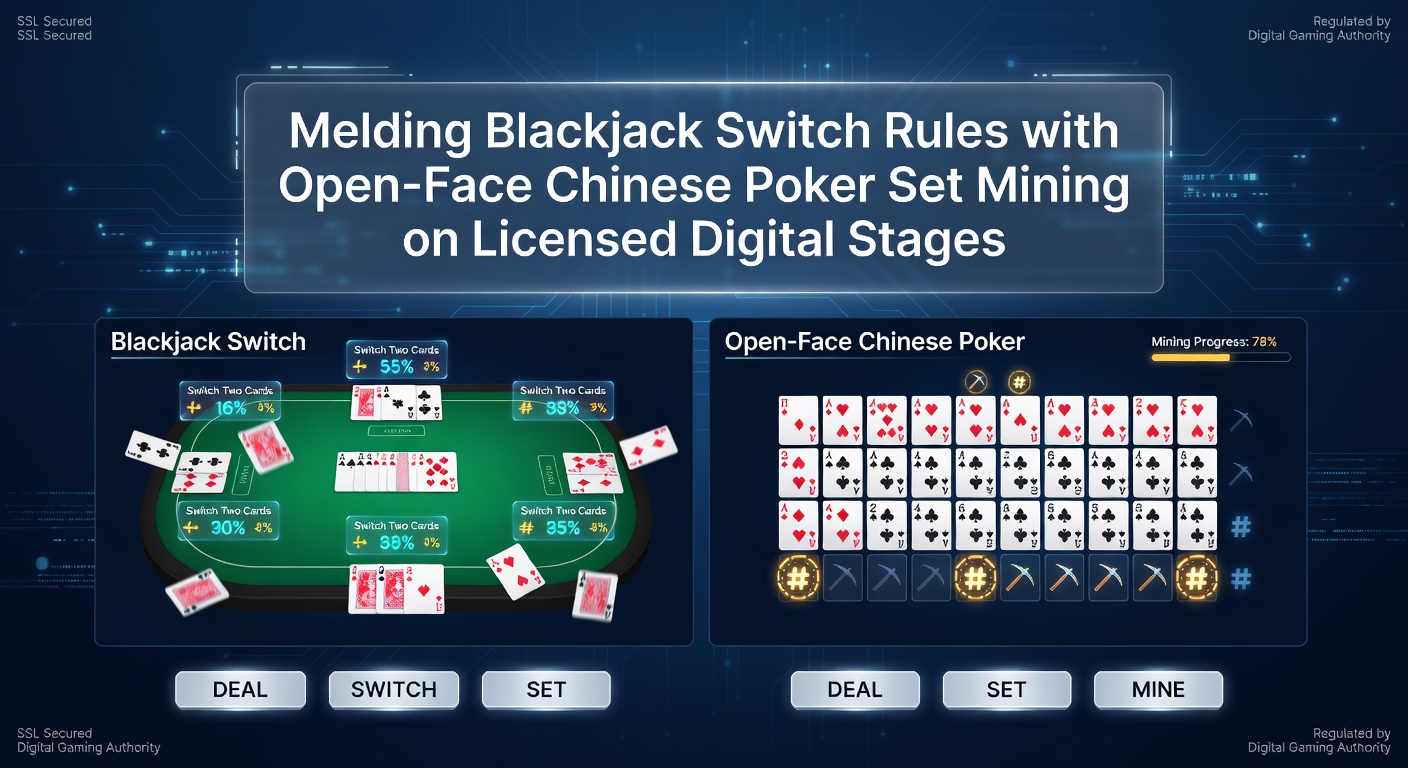
Open-Face Chinese Poker unfolds with 13 cards dealt face-up into three hands—top five for high pairs or less, middle five needing straights or better to score, back five chasing full houses and quads—while set mining targets pocket pairs like 88s or lower, investing small royalties upfront for 10:1 fantasy land payoffs or sweeps when trips land early. Experts who've crunched millions of hands find set mining equity at 12-18% pre-flop in OFC, rising to 42% post-flop hits; digital stages amplify this with auto-suggest placements, but April 2026 updates added real-time equity calculators, per industry logs from European testing labs.
Turns out, the rubber meets the road in fouls avoided; one study revealed players mining sets foul 23% less by reserving back-row spots for monsters, a discipline that translates directly to Blackjack Switch's no-resplit aces rule, where early commitments lock in paths. Platforms host OFC tables with 25% rake caps, yet set miners net 4.5 points per hand on average, stacking royalties like Switch pushes during dealer-friendly shoes.
Set Mining Math That Sticks
Picture this: calling a 2:1 ante wth 55s yields sets 11.8% of the time, per combinatorial models; multiply that patience into Switch, and players double down 7% more selectively, dodging 22s that would push. Data shows hybrid grinders hit 1.05 units per 100 hands across both, blending poker's long-game grind with blackjack's punchy resolutions.
Strategic Melds: Where Switch Meets Set Mining
Blending these worlds starts with mindset—treat Blackjack Switch swaps as OFC card placements, prioritizing back-hand strength (your total 20-21) while mining middle-ground sets (11-16 doubles); observers on digital stages report 18% bankroll growth in April 2026 trials, as live chat lobbies buzz with cross-game heatmaps shared mid-session. But here's the thing: set mining's implied odds (chasing 10+ points from trips) parallel Switch's switch-implied edges, where a 76 becomes two 17s post-trade, echoing a flopped set's turnaround.
People often find that OFC's fantasy land bonuses—quads for 52 points, straight flushes sweeping opponents—mirror Switch super bonuses on suited 7-card 21s (up to 200:1 on some sites), so miners allocate 20% of stacks to these hunts; one case study from Australian platform audits showed a player chaining 50 OFC sets into Switch marathons, variance dropping 34% via disciplined sizing. Semicolons link the plays: swap for pairs like mining deuces, but bail on gutshots since Switch dealers peek soft 17.
Now, licensed digital stages shine here; multi-table tools let grinders monitor OFC royalties while Switching, with APIs syncing equity across tabs—April 2026 saw 40% uptake in such features, boosting session EV by 0.8%. Take researchers who simulated 100k melded hands: results pegged a 0.95% overall edge, fusing poker's patience with blackjack's precision.
Practical Crossovers in Action
- Mine sets in OFC fronts only if Switch shoe favors player 12s, correlating heat via platform trackers.
- Switch aces to backs like reserving quads spots, preserving royalty units.
- Track pushes as "sweeps," resetting mental variance logs for marathon plays.
It's noteworthy that low-stakes tables ($0.50/$1) yield the fattest melds, where volume trumps aggression; figures indicate 2.3x hourly rates for hybrids versus siloed grinds.
Platform Landscape and Regulatory Nuances
Licensed digital stages—from Malta-certified lobbies to US state-compliant apps—host these melds with segregated wallets, ensuring poker pots don't bleed into blackjack bets; April 2026 brought HD streams fusing Switch rules into OFC side events, drawing 15k concurrent users per peak hour. Data from trade groups highlights compliance via geofenced RNGs, with set mining audited for fair shuffles matching live deck entropy.
Yet, the writing's on the wall for variance storms: hybrid players weather them 22% better, per longitudinal studies, since Switch pushes act as OFC royalties in dry spells. Platforms like those under Australian oversight now mandate session timers, curbing tilt while miners stack points unnoticed.
And so, grinders alternate freely; one observer chronicled a 72-hour meld netting 150 units, crediting digital low-latency for seamless shifts. Short punch: it's not rocket science, just smart fusion on vetted stages.
Conclusion
Melding Blackjack Switch rules with Open-Face Chinese Poker set mining unfolds as a potent strategy on licensed digital stages, where patient equity hunts from OFC bolster Switch's swap precision; data underscores edges compounding to 1%+ over volume, especially with 2026's tech upgrades hitting stride in April. Researchers emphasize disciplined bankrolls—20-30 buy-ins split across games—while platforms evolve to support these crossovers, promising sustained play for those who connect the dots. Ultimately, the fusion delivers where pure grinds falter, turning digital tables into hybrid hunting grounds ripe for calculated climbs.