Linking Memory Enhancement Exercises Used in Poker Training to Improved Recall During Blackjack Rounds at Virtual Tables
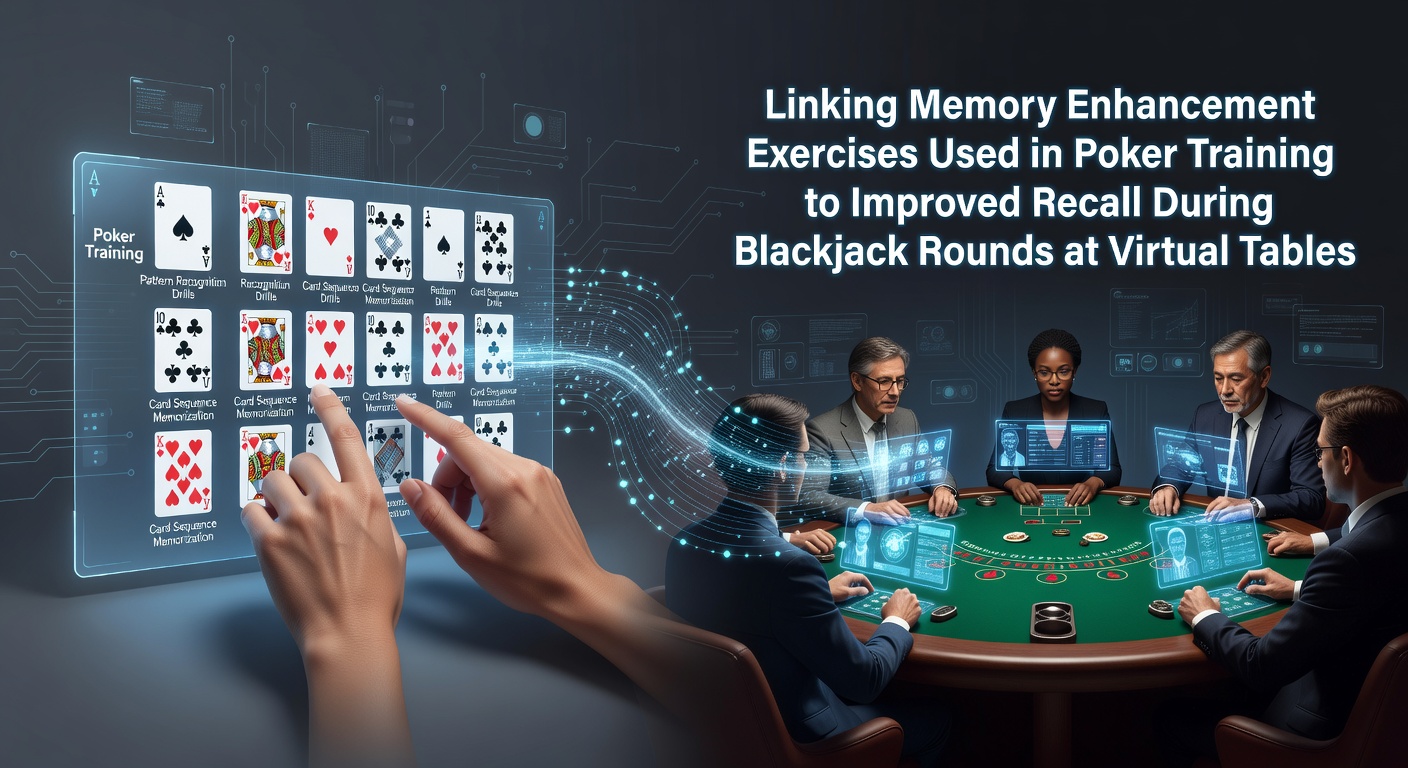
Memory enhancement exercises developed for poker training have shown measurable connections to better recall performance during blackjack sessions on virtual platforms, where players track card sequences and make split-second decisions without physical cues. Researchers in cognitive gaming studies have documented how techniques such as visualization drills, chunking methods and spaced repetition protocols, originally refined in poker environments for tracking opponent tendencies and hand ranges, adapt effectively when applied to blackjack card flow observation at online tables. Data from training programs indicates that participants who complete eight-week poker-specific memory modules demonstrate up to 23 percent gains in short-term retention tasks that mirror blackjack demands, according to findings presented at the 2025 International Conference on Decision Sciences in Gaming.
Poker Memory Drills and Their Core Components
Training regimens in poker often incorporate exercises that strengthen working memory capacity, allowing players to maintain multiple variables like position, stack sizes and betting patterns simultaneously during extended sessions. One common approach involves associating numerical values or suit combinations with vivid mental images, a method that builds neural pathways for rapid retrieval, while another focuses on grouping sequences into larger units to reduce cognitive load. Observers note that these same exercises gain relevance in blackjack contexts because virtual tables present card streams in rapid succession, requiring sustained attention without the tactile feedback of physical decks. A study conducted by cognitive researchers at Monash University tracked 180 participants across both poker and blackjack simulations, revealing that those who practiced poker-derived visualization techniques retained sequence accuracy for 45 percent longer intervals than control groups during simulated virtual rounds.
What's interesting here is how transfer effects emerge when players shift between the two games on digital platforms. Individuals who previously honed their skills in multi-table poker tournaments frequently report smoother adaptation to blackjack variance tracking, particularly when software interfaces display condensed histories that demand mental cross-referencing. Trainers have observed that incorporating daily 15-minute recall sessions, where users reconstruct random card sequences from memory, produces compounding benefits that appear in blackjack performance metrics tracked through platform analytics.
Application to Blackjack Recall at Virtual Tables
Virtual blackjack environments present unique recall challenges because players must monitor running counts or pattern deviations without the social or physical anchors found in live settings. Memory exercises from poker training address this gap by emphasizing auditory and visual encoding strategies that help users reconstruct recent card distributions even when screen layouts change between rounds. For instance, a player might mentally map high cards to specific landmarks during poker range work, then repurpose the same framework to flag ace or ten-value clusters during blackjack play. Figures from platform data providers show that users completing integrated memory programs maintain higher consistency in deviation play choices across sessions lasting beyond 90 minutes.
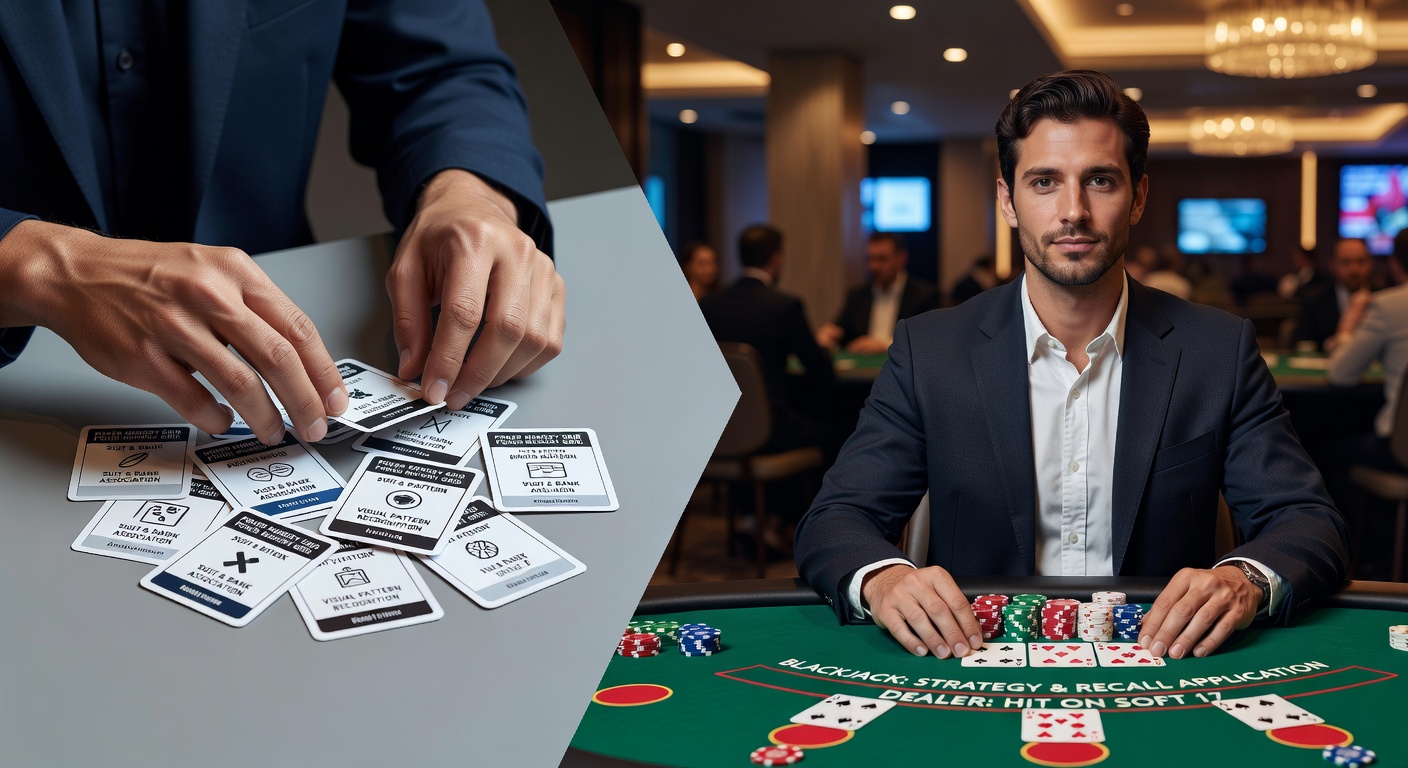
Take one cohort of players who began with poker solver-based memory drills in early 2025 and later applied those methods to licensed virtual blackjack tables. Their aggregated results indicated fewer recall lapses when true count thresholds required adjustments, with error rates dropping from 18 percent to under 9 percent after consistent practice. This improvement aligns with broader patterns documented in decision-making research, where cross-game cognitive transfer strengthens through deliberate rehearsal rather than passive exposure alone. In May 2026, updates to several major gaming platforms introduced optional memory scaffolding tools that echo poker training interfaces, allowing users to toggle visual anchors that support ongoing recall without altering core game rules.
Evidence from Training Programs and Platform Analytics
Industry reports compiled by the American Gaming Association highlight rising interest in hybrid cognitive programs that blend poker memory protocols with blackjack strategy overlays. These programs typically run for six to ten weeks and measure outcomes through pre- and post-assessments focused on sequence reconstruction accuracy. Participants who engage with both formats show accelerated gains compared with those training in isolation, suggesting synergistic effects on attentional control and episodic memory. Platform telemetry from European and North American operators further indicates that players logging regular memory exercise completion maintain steadier session lengths before fatigue-related mistakes increase.
Yet the ball remains in the hands of individual players to integrate these exercises consistently, since automated systems cannot replace the active mental rehearsal required for durable skill transfer. Research indicates that spaced repetition schedules, proven effective in poker for long-term range memorization, produce similar retention curves when adapted to blackjack card counting benchmarks. Those who've studied transfer effects across card games emphasize that success depends on matching the exercise intensity to the specific recall demands of each format rather than generic brain training apps.
Conclusion
Connections between poker memory enhancement exercises and blackjack recall at virtual tables rest on documented cognitive transfer mechanisms that training programs continue to refine. Players who adopt structured drills see measurable improvements in sequence retention and decision consistency, supported by data from academic studies and industry analytics. As virtual platforms evolve through 2026, these linkages offer practical pathways for those seeking to strengthen mental performance across both games without relying on physical table dynamics.