Investigating How Mobile Interface Designs Alter Timing Decisions Across Multi-Hand Sessions and Tournament Structures on Verified Online Venues
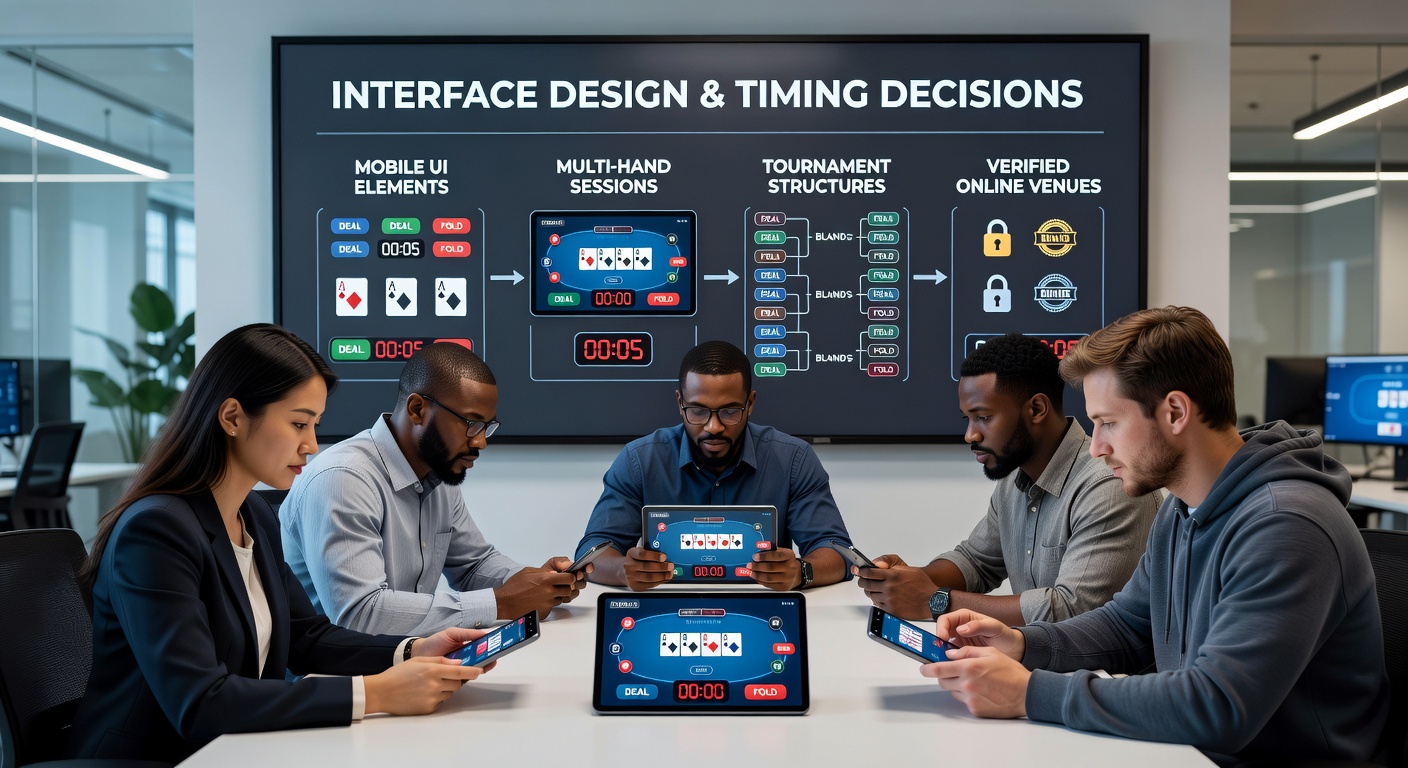
Platform developers continue to refine mobile interfaces for blackjack and poker on verified online venues, and these changes directly shape how participants manage response intervals during extended play periods. Button sizes, swipe sensitivity, and confirmation prompts all factor into the milliseconds players take before committing to actions such as hitting, standing, or folding in multi-hand formats. Data collected across licensed operators indicates measurable shifts in decision latency when layouts prioritize thumb-reach zones over traditional grid arrangements.
Interface Elements That Influence Response Intervals
Designers adjust tap targets and animation speeds to reduce accidental selections, yet these modifications also compress the natural pause players once used to reassess counts or opponent tendencies. In multi-hand blackjack sessions, for instance, simultaneous card displays require users to toggle between windows, and the placement of the toggle control determines how quickly participants can return to the primary betting area. Observers note that venues adopting edge-to-edge swipe navigation record shorter average cycle times between hands compared with those retaining stacked menu systems.
Research from the University of Nevada's International Gaming Institute shows that players using one-handed operation modes complete decision sequences 18 percent faster on average than those navigating two-handed layouts, according to session logs gathered in 2025. The same study tracked tournament structures and found that late-registration poker events exhibit even greater sensitivity to interface friction because participants must balance stack preservation with time-bank management.
Patterns Observed in Multi-Hand Blackjack Sessions
Multi-hand blackjack demands parallel tracking of separate shoe positions, and mobile screens that collapse these positions into carousel views force users to scroll or swipe repeatedly. This scrolling motion adds consistent delay to each round, particularly when side bets appear in separate confirmation overlays. Platforms that embed side-bet toggles directly beneath each hand position reduce that extra step, allowing faster re-entry into the next deal cycle.
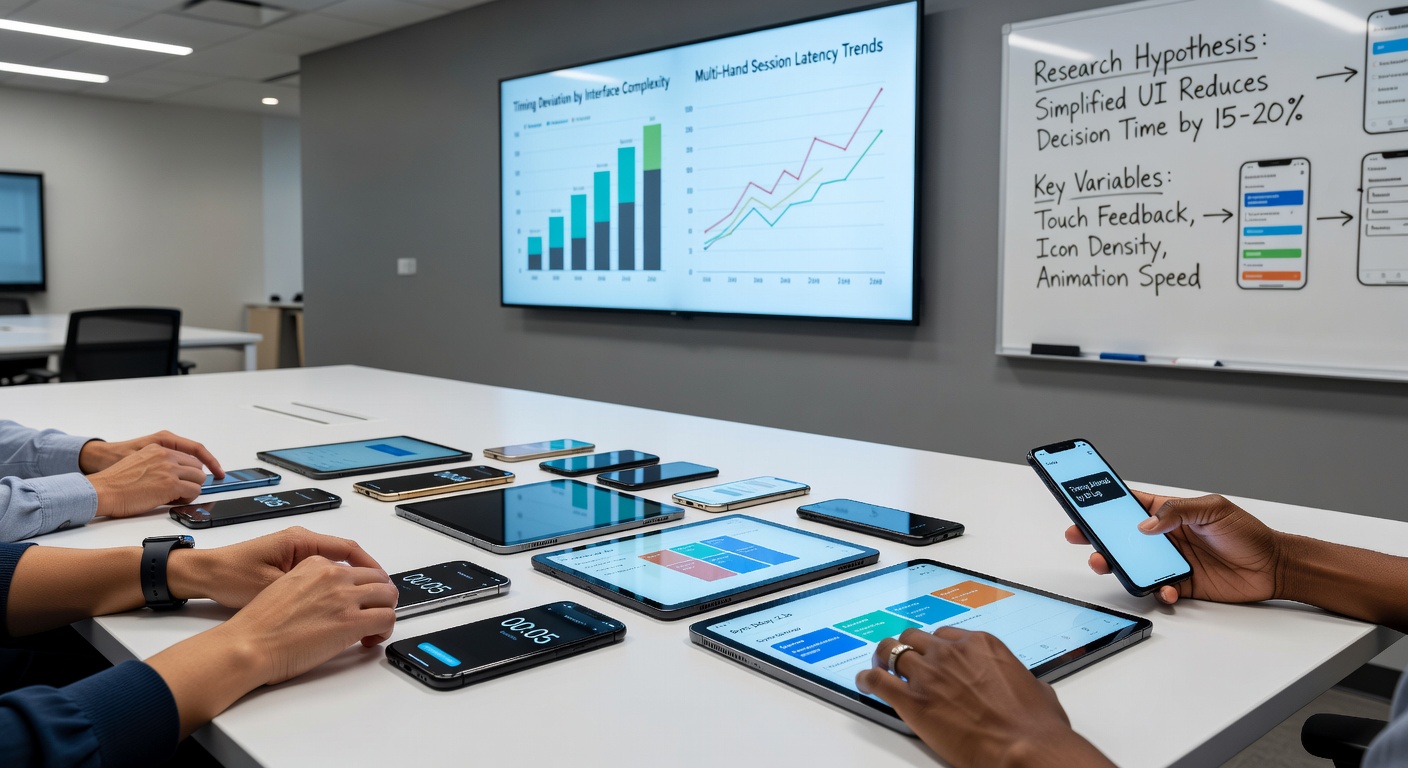
Figures released by the New Jersey Division of Gaming Enforcement in early 2026 reveal that average hands per hour on mobile blackjack tables increased from 72 to 81 after several major operators updated their confirmation animation durations. Those updates removed a 650-millisecond delay between card reveal and bet placement prompt, demonstrating how small timing adjustments scale across thousands of concurrent sessions.
Effects Within Tournament Structures
Tournament formats introduce additional layers because blind levels and payout thresholds create external time pressure. Mobile interfaces that display remaining time-bank seconds in persistent floating elements help players monitor resources without leaving the action screen, whereas hidden timers buried in sub-menus correlate with higher rates of auto-fold events near level changes. Data from the Australian Communications and Media Authority's 2025 digital gambling review indicates that platforms surfacing time-bank warnings at 15-second intervals experience fewer premature folds during heads-up stages.
Designers have also experimented with haptic feedback for action confirmation, and early results suggest these tactile cues shorten the interval between decision formation and execution. Players report fewer instances of mis-clicks when vibration accompanies the final tap, yet the same feedback can occasionally extend the overall sequence if the device processes the haptic response after the visual cue appears. Operators continue to calibrate these sequences to align with regulatory requirements for fair play across verified venues.
Comparative Data Across Device Types
Tablet users encounter different constraints than smartphone participants because larger screens accommodate more simultaneous information without scrolling. Session analytics compiled through May 2026 show tablet players maintain steadier decision intervals across multi-hour stretches, while smartphone users display greater variance as screen real estate forces more menu interactions. These variances appear most pronounced during final table scenarios where participants must weigh survival against aggression within shrinking blind intervals.
Industry reports from the European Gaming and Betting Association highlight that standardized API frameworks for action timing now allow cross-platform comparison, giving operators clearer benchmarks for acceptable latency ranges. Venues implementing these frameworks report improved consistency in player retention metrics tied directly to interface responsiveness.
Conclusion
Verified online venues continue to collect granular timing data that links specific interface choices to measurable differences in session flow. Mobile designs that streamline hand transitions and surface critical timers reduce friction without compromising verification standards, and ongoing updates scheduled through 2026 aim to refine these elements further. The accumulated records demonstrate that small layout decisions accumulate into substantial differences in how participants navigate both multi-hand routines and structured tournament environments.