How RNG Certification Audits Reshape Multi-Hand Blackjack Probability Distributions Alongside No-Limit Hold'em Equity Modeling on Licensed Platforms
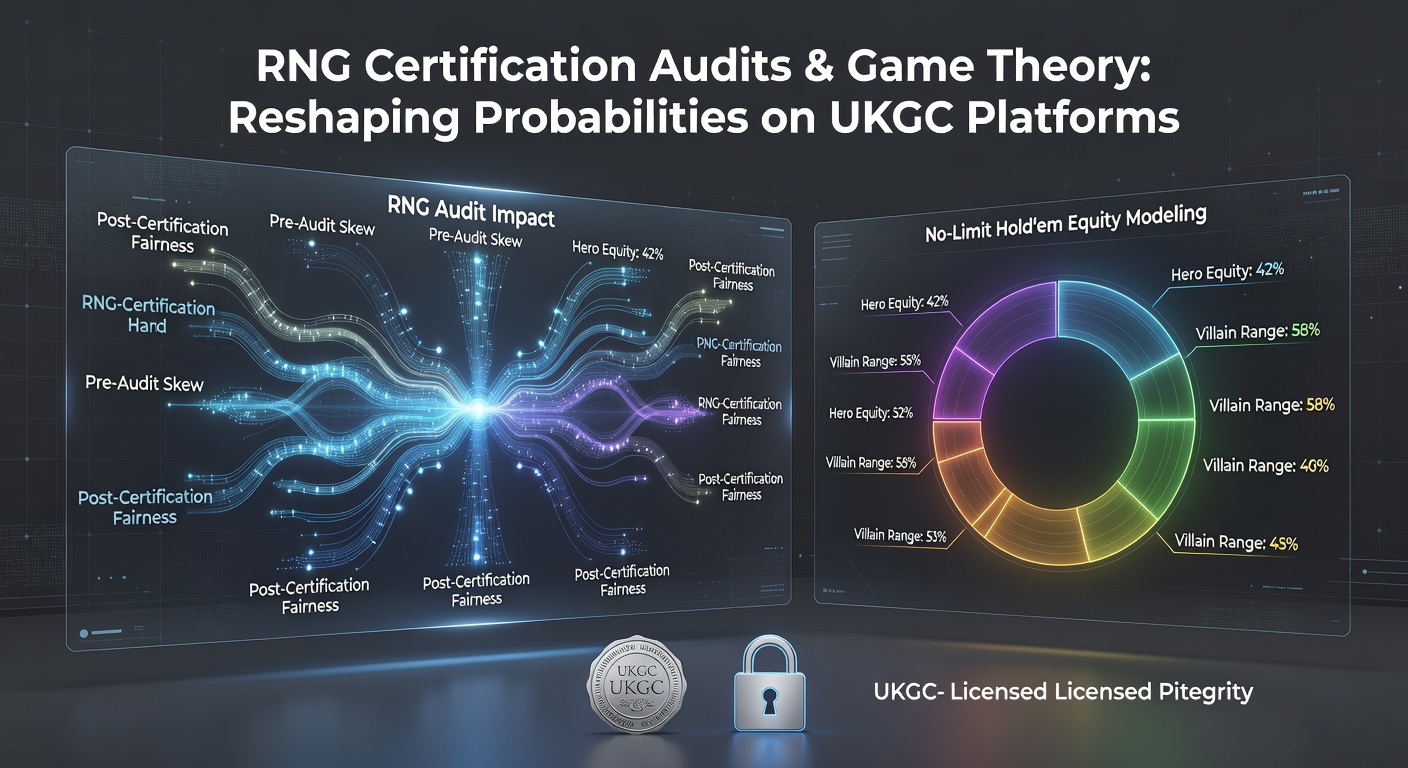
Random number generator certification audits establish verified standards for randomness across digital gaming environments, and these processes directly influence how multi-hand blackjack probability distributions are calculated while also guiding equity modeling in no-limit hold'em sessions on licensed platforms. Auditors examine the underlying algorithms to confirm statistical independence, which in turn requires operators to adjust simulation models that project outcomes over extended play periods. Data from independent testing laboratories shows that certified RNG systems produce sequences where each card draw maintains equal probability regardless of previous results, and this verification step alters the baseline assumptions used in multi-hand scenarios where players participate in several simultaneous blackjack hands from a single shoe.
Understanding RNG Audit Mechanisms in Practice
Certification bodies conduct periodic reviews that include millions of simulated draws, and these evaluations generate statistical reports that operators must integrate into their probability frameworks. When auditors identify any deviation patterns, platforms recalibrate their random sequence generators to align with required thresholds, which then flows through to updated distribution models for multi-hand blackjack. Observers note that such recalibrations often occur ahead of scheduled compliance deadlines, including adjustments projected for May 2026 when several international standards bodies plan to implement enhanced testing protocols for multi-deck environments. The result appears in refined probability curves that account for certified independence across concurrent hands rather than relying on older assumptions that treated sequences as potentially correlated.
Impact on Multi-Hand Blackjack Distributions
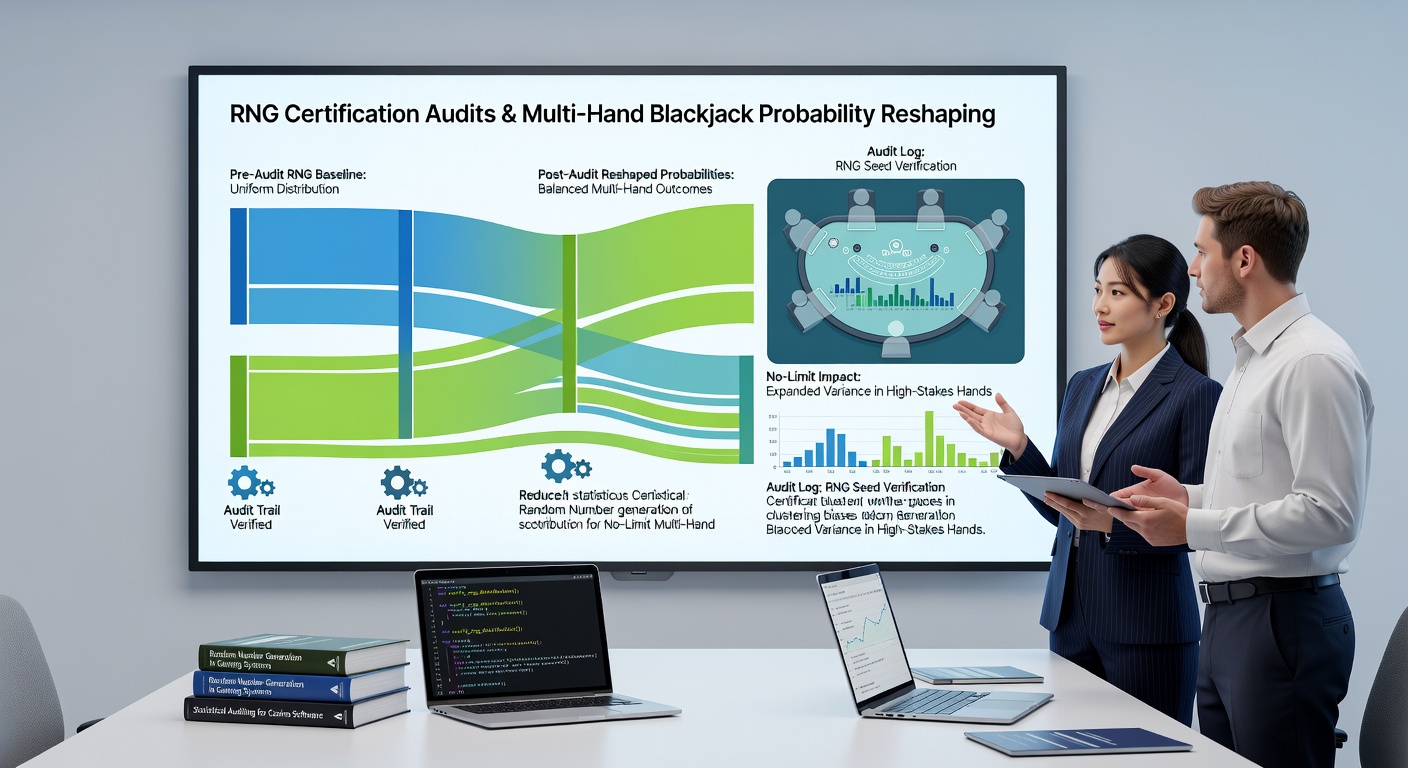
Multi-hand blackjack relies on accurate modeling of card depletion and redraw probabilities, yet RNG certification audits introduce fresh constraints because verified generators eliminate any residual bias that might have existed in pre-audit systems. Research indicates that post-audit distributions show tighter variance in outcomes for players managing two or more hands simultaneously, and this tightening stems from the enforced statistical uniformity that auditors demand. One testing facility documented shifts in expected value calculations when RNG sequences underwent re-certification, particularly in situations involving split pairs and doubled-down positions where multiple cards are drawn in quick succession. Platforms respond by updating their internal simulation software, which produces new probability tables that reflect the audited randomness levels and allow operators to publish accurate return-to-player figures based on verified data sets.
Equity Modeling Adjustments in No-Limit Hold'em
No-limit hold'em equity calculations depend on precise simulation of remaining card combinations, and RNG certification audits reshape these models by confirming that deck shuffles and community card deliveries meet independence criteria across millions of trials. Equity software used by analysts therefore incorporates audit-verified parameters that adjust range-versus-range calculations, especially in scenarios where multiple players remain active through later streets. Figures from industry reports reveal that equity estimates for specific hand matchups can shift by several percentage points once RNG compliance data replaces legacy random generators, and these shifts become more pronounced in deep-stack cash games where small modeling errors compound over thousands of hands. Licensed platforms integrate these updated equity tools into player education resources and backend risk management systems, ensuring that displayed odds reflect the certified randomness standards applied during actual gameplay.
Integration Across Platform Compliance Frameworks
Operators combine RNG audit findings with broader compliance requirements from regulatory authorities outside the UK, such as those managed by iGaming Ontario and the International Association of Gaming Regulators, to maintain consistent modeling standards. This cross-jurisdictional approach ensures that probability distributions for multi-hand blackjack and equity figures for hold'em remain aligned with the latest certified RNG outputs regardless of player location. Analysts update their datasets quarterly to incorporate new audit results, which produces iterative refinements rather than wholesale changes to existing models. The process creates a feedback loop where audit reports feed directly into simulation engines, and those engines then generate the probability data that platforms use for game certification renewals.
Future Calibration Cycles and Industry Responses
Preparation for the May 2026 standard updates has already prompted several testing laboratories to expand their sample sizes during RNG evaluations, and this expansion yields more granular data on tail-end probabilities that affect both blackjack multi-hand scenarios and hold'em equity calculations in rare but high-impact situations. Platforms have begun piloting revised modeling software that accepts live audit feeds, allowing real-time adjustments when certification parameters change. Industry organizations track these developments through shared databases that compile results from multiple jurisdictions, and the aggregated information helps standardize how operators translate audit findings into usable probability and equity outputs. Observers expect continued refinement as computational methods improve and as regulators require even stricter statistical thresholds in upcoming review cycles.
Conclusion
RNG certification audits therefore serve as the foundation for accurate multi-hand blackjack probability distributions and reliable no-limit hold'em equity modeling on licensed platforms, with each audit cycle introducing verified parameters that reshape simulation outputs. The integration of these audit results produces consistent, statistically grounded figures that operators apply across game types, and ongoing developments scheduled through 2026 indicate further evolution in how platforms manage and present these calculations to maintain compliance across regions.