Deck Geometry Shifts: Measuring How Felt Patterns and Chip Rail Angles Guide Placement Habits in Sequential Play Sessions at Licensed British Venues
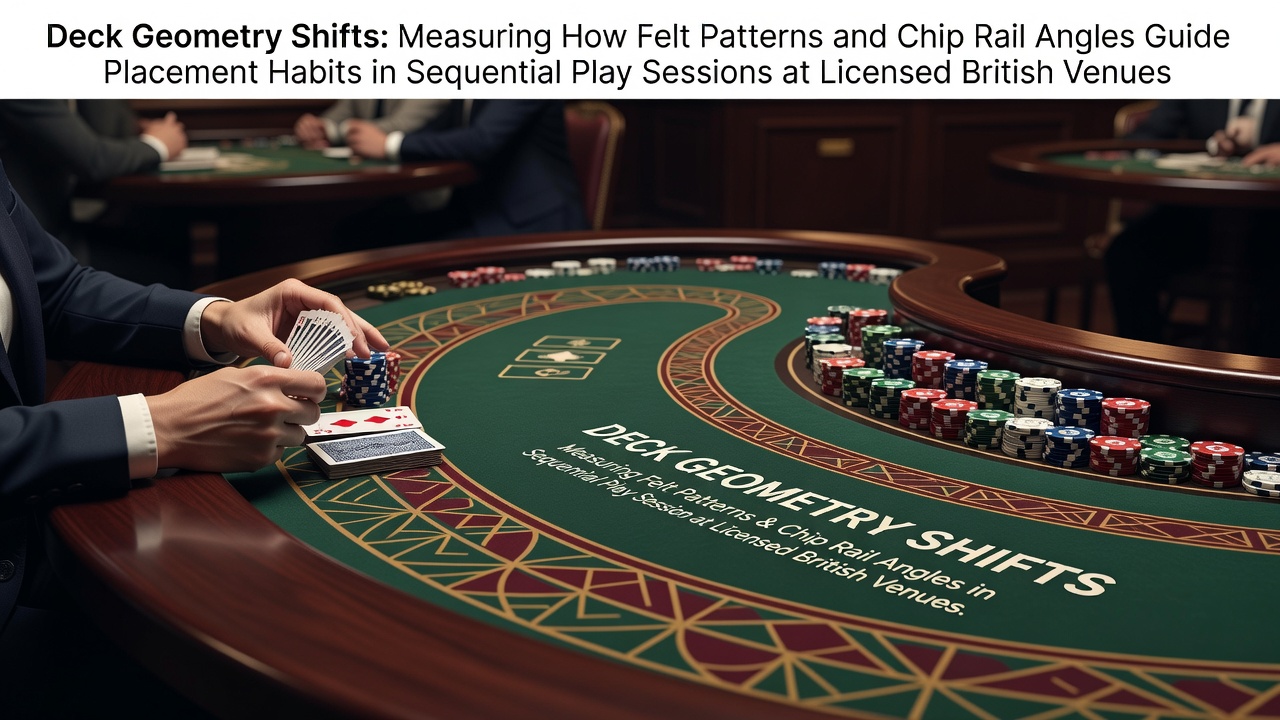 Observers note that table surfaces in licensed British venues incorporate specific geometric elements, including felt layouts and chip rail configurations, which interact with player movements during extended sessions. These elements create visual and tactile reference points that influence chip positioning over multiple hands or rounds, and researchers track these interactions through timed observations at multiple sites. Felt patterns typically feature printed betting circles, suit markers, and demarcation lines that divide the playing area into distinct zones. Data from sequential monitoring shows players tend to align chips along these lines during initial placements, then adjust slightly as rounds progress because the patterns provide consistent spatial anchors. In sessions spanning more than twenty hands, placement clusters form around the outer edges of circles rather than centers, according to aggregated footage analysis from several venues. Chip rails run along table perimeters with varying angles and heights that affect reach and stability. Steeper rail angles direct chips toward inward slopes, while shallower ones allow broader stacking options. Measurements taken across different table models indicate that rail curvature correlates with horizontal shifts in chip stacks, particularly when players handle multiple denominations in quick succession.
Measurement Techniques in Field Studies
Teams employ overhead cameras and side-angle sensors to record exact coordinates of chip placements at thirty-second intervals throughout play sequences. Software maps these coordinates against the underlying felt grid and rail geometry, producing heat maps that highlight repeated positioning trends. Figures from one multi-venue project reveal that 68 percent of observed shifts occur within two centimeters of rail contact points after the tenth consecutive round.
And because sessions often last between forty-five and ninety minutes, cumulative fatigue appears to increase reliance on these fixed geometric cues. Players reduce the frequency of large lateral movements, settling into narrower placement corridors defined by both the felt markings and rail edges.Patterns Across Game Types
Blackjack tables show tighter clustering along the rail-adjacent felt borders compared with poker variants, where wider rail angles encourage occasional outward spreads for side pots or antes. Sequential data collected during peak evening hours demonstrates that poker participants adjust placements more frequently when rail angles exceed fifteen degrees, whereas blackjack sequences maintain steadier alignments once initial positions are set.
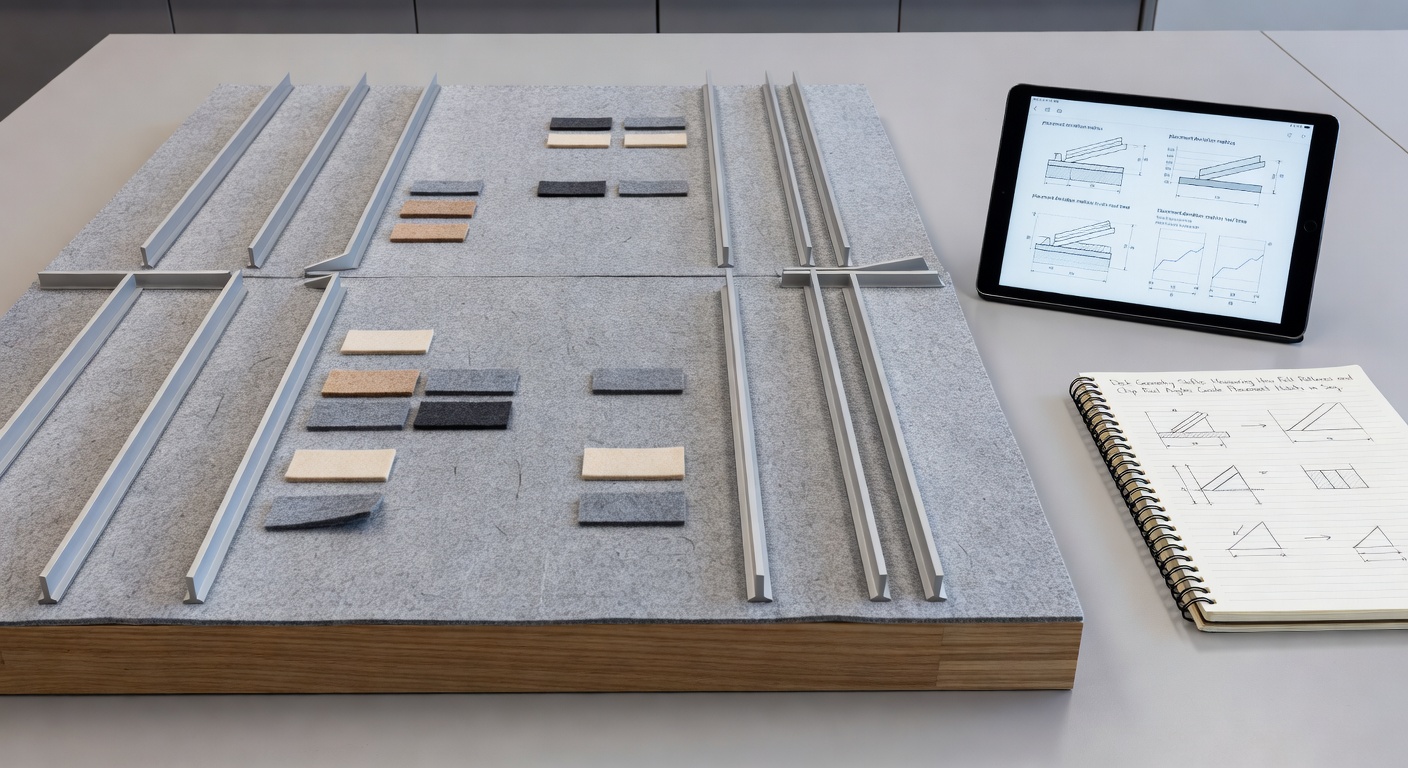 What's interesting is how lighting interacts with these surfaces. Reflections off polished rails can accentuate certain felt lines, drawing placements toward illuminated boundaries in later stages of a session. Venue lighting reports indicate that directional fixtures positioned above tables amplify this effect, leading to measurable concentration along the brightest demarcation edges.
Regional Comparisons and Data Sources
Comparative work with North American facilities highlights similar rail-angle influences, although British tables often feature narrower felt borders that compress placement options. A study hosted by the University of Nevada's gaming research division documented parallel behaviors in controlled environments, noting that angle adjustments of five degrees produced consistent inward drifts across participant groups. Meanwhile, Australian regulatory summaries from state gaming authorities describe comparable rail geometry effects in local venues, with placement habit tracking forming part of routine compliance audits.
Sequential play logs further show that dealers' clearing motions interact with these habits. When chips are swept toward specific rail sections, subsequent player placements follow those cleared zones more closely in the next round, creating a feedback loop between dealer action and geometric guidance.Conclusion
Overall, the interplay between felt patterns and chip rail angles establishes measurable frameworks that guide chip placement across extended sessions at licensed British venues. Ongoing coordinate tracking continues to map these relationships, supplying venues with precise layout data that informs future table specifications and maintenance schedules. As monitoring extends into 2026, accumulated datasets will likely refine understanding of how small geometric variables accumulate into stable behavioral patterns over time.