Charting the Adoption of AI-Assisted Training Modules for Enhancing Precision in Multi-Round Decision Processes Within Licensed Virtual Table Settings for Ace-Focused and Community Card Disciplines
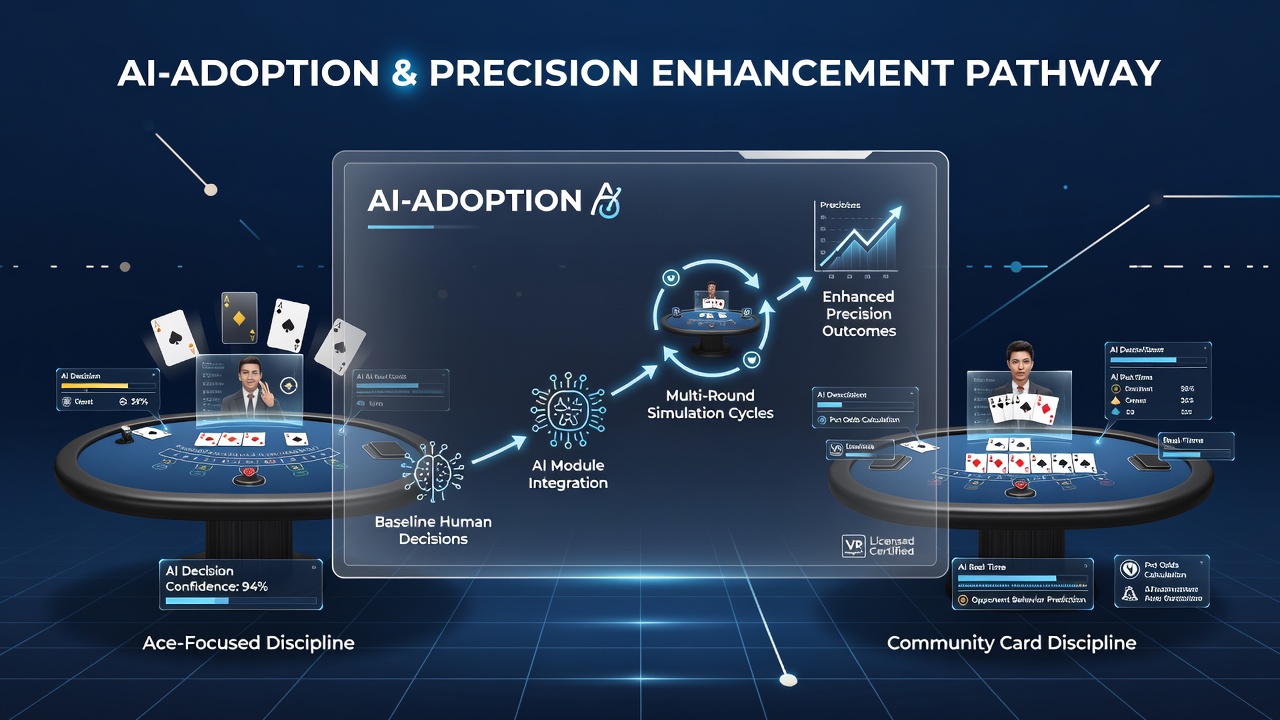
Operators in licensed virtual table settings have integrated AI-assisted training modules to refine player precision across repeated decision rounds in ace-focused games like blackjack alongside community card disciplines such as Texas Hold'em and Omaha variants, and adoption patterns show steady growth since initial pilots in the early 2020s. Data from industry reports indicates that these modules simulate multi-round sequences where users practice hit-or-stand choices in blackjack while balancing equity calculations in poker hands, all within regulated platforms that enforce compliance standards set by bodies including the Nevada Gaming Control Board and the Australian Communications and Media Authority.
Early implementations focused on basic rule reinforcement, yet by 2024 systems evolved to incorporate reinforcement learning algorithms that track error patterns over successive rounds and adjust scenario difficulty accordingly. Researchers at institutions like the University of Nevada, Reno have documented how such tools reduce deviation rates from optimal strategies, with one longitudinal review noting measurable improvements in decision accuracy after users completed 50 or more simulated sessions.
Core Components of AI Training Modules
Modules typically combine neural network analysis of historical hand data with real-time feedback loops that highlight optimal actions based on remaining deck composition in blackjack or pot odds in community card games. Users engage through interactive dashboards that replay multi-round sequences, allowing practice of split decisions on paired aces or continuation betting frequencies after community cards appear. According to figures from the European Gaming and Betting Association, integration rates among European virtual operators climbed from 12 percent in 2023 to 34 percent by early 2025, driven by demand for precision tools that align with responsible gaming protocols.
These systems differentiate from static strategy charts by adapting to individual user profiles, generating personalized drills that emphasize weak areas such as insurance bet thresholds in ace-heavy scenarios or river bluff frequencies in poker. Observers note that licensed platforms often embed these modules directly into player accounts, creating seamless transitions between practice environments and live virtual tables without violating jurisdictional rules on skill development aids.
Adoption Trends Across Disciplines
In ace-focused disciplines adoption accelerated as operators recognized the value in training modules that model card removal effects over extended rounds, helping users internalize how early decisions influence later options. Community card disciplines saw parallel uptake because AI tools can process combinatorial explosion in board textures and present simplified equity snapshots that users apply across multiple betting streets. A study published through the Canadian Institute for Gaming Research revealed that participants using AI modules demonstrated 18 percent higher consistency in multi-round fold equity assessments compared to control groups relying solely on manual review.
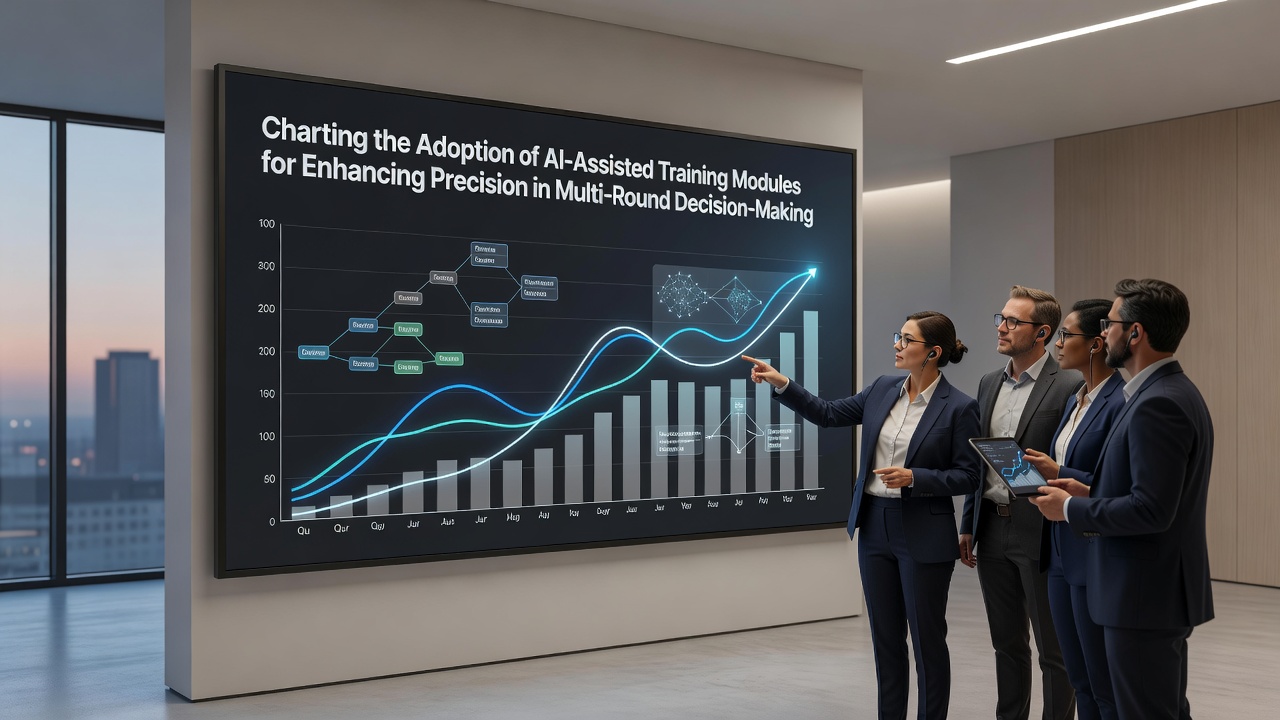
As of June 2026 several major licensed networks reported that over 40 percent of active virtual table users had engaged with at least one AI training module in the preceding quarter, reflecting broader acceptance among operators seeking to differentiate their offerings through educational features. What's interesting is how geographic variation appears in rollout speed, with North American platforms advancing faster in poker-focused modules while Asian licensed markets prioritized blackjack variants due to regional preference patterns documented in regulatory filings.
Technical Integration and Regulatory Alignment
Technical frameworks rely on cloud-based processing that pulls from anonymized datasets of millions of prior hands, ensuring outputs remain statistically grounded rather than speculative. Platforms maintain audit trails that satisfy oversight from diverse regulators, including those in New Jersey and Singapore, where module algorithms undergo periodic review to confirm they promote accurate play without encouraging excessive session lengths. Experts have observed that successful implementations pair AI feedback with session time caps, creating balanced environments that support skill refinement while adhering to harm minimization guidelines.
One documented case involved a virtual operator in Malta that deployed modules linking blackjack ace-counting drills with poker range construction exercises, resulting in reported reductions in common multi-round errors according to internal performance metrics shared with academic partners. Such cross-discipline approaches illustrate how the technology bridges traditionally separate game categories through shared decision frameworks.
Future Outlook and Measurement Metrics
Measurement of effectiveness continues to evolve through metrics like decision precision scores and round-over-round consistency indices, which developers refine using input from ongoing trials. Projections shared at industry conferences suggest further expansion into mixed-game formats that blend ace-focused and community card elements, potentially broadening the reach of these training systems. Evidence suggests sustained interest stems from the ability of AI modules to deliver scalable, data-backed instruction that fits within licensed virtual ecosystems without requiring physical presence.
Conclusion
Overall patterns indicate that AI-assisted training modules have moved from niche experiments to established features in licensed virtual table settings, with adoption driven by demonstrated gains in multi-round decision precision across both ace-focused and community card disciplines. Continued monitoring by regulatory and research entities will likely shape how these tools develop, ensuring alignment with evolving standards in digital gaming environments.